Plant-based fillet suppliers
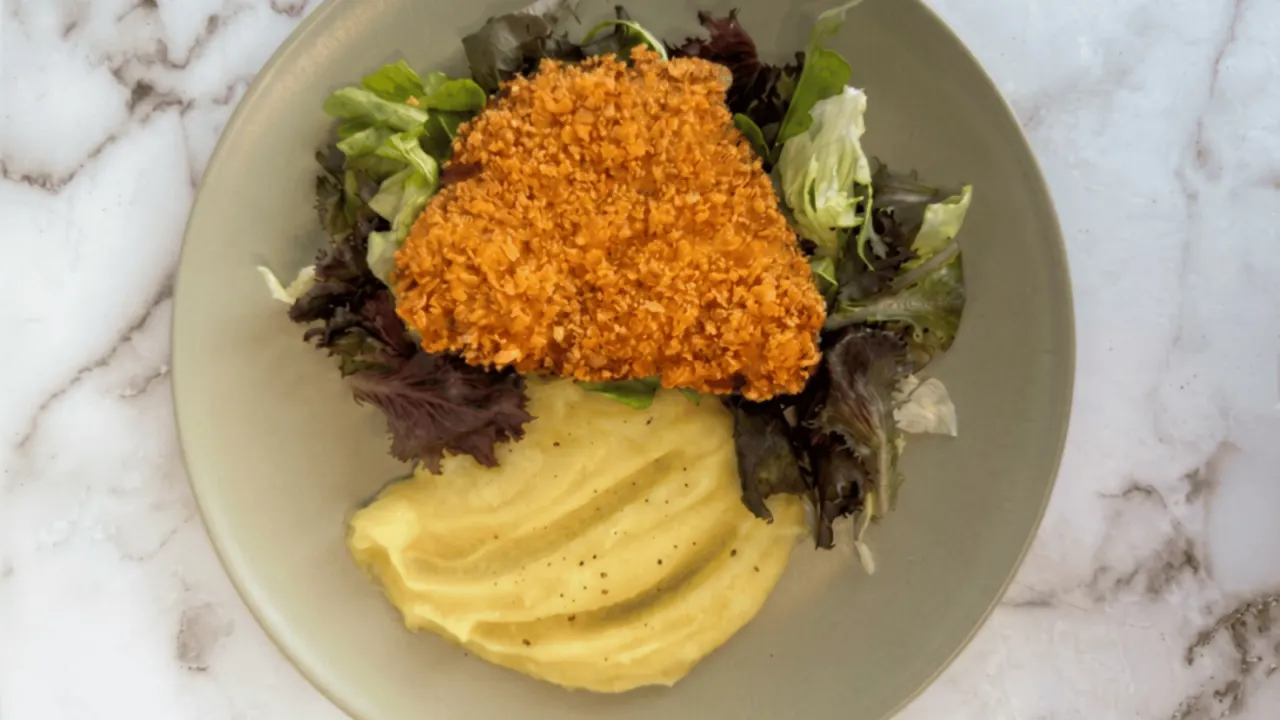
- A plant-based steak supplier must offer production capacity, reliable supply, consistent quality, and customization, ensuring the product performs and scales in industrial environments.
- The steak must maintain structure, bite, juiciness, and stability during handling, cooking, freezing, and reheating, while fitting prepared meals, foodservice, and retail applications.
- Supplier approval should assess batch-to-batch consistency, traceability, technical documentation, and supply continuity, alongside finished, chilled, frozen, or dry formats.
When looking for plant-based fillet suppliers, the goal is not simply to find a product, but a solution that truly works in an industrial environment: one that fits production processes, remains stable and can be scaled efficiently. This article will help you understand what to consider when choosing a supplier and what key aspects to evaluate when incorporating this type of product into your portfolio.
Plant-based fillet supplier for the food industry, prepared meals and retail
The fillet format is becoming increasingly relevant in plant-based product development, especially for industrial applications.
Many prepared meal manufacturers are looking for a fillet that can be integrated into existing production processes without redesigning their systems.
Choosing the right supplier is essential. It is not only about taste, but about performance on the production line, structure retention, behaviour after processing and whether costs remain competitive when scaling up.
What should an industrial plant-based fillet supplier offer?
From a B2B perspective, expectations are clear: the product must perform consistently and reliably. This requires:
- Production capacity
- Supply continuity
- Consistent quality
- Adaptation to customer requirements
This is where the difference lies between a catalogue supplier and a tailored solutions partner.
Finished product, semi-finished ingredient or customised formulation
One of the most important factors is the format. At Sanygran, different formats are used depending on customer needs and final application:
- Finished product: ready to use
- Chilled or frozen formats: direct integration into production
- Dry format: greater flexibility, adjustment of hydration, flavour and texture, and longer shelf life
Each format responds to a different production model.
Adaptation to private label and retail projects
When a product is developed for private label or large-scale retail, requirements become more complex.
It is not only about the fillet itself, but about everything around it: weight, format, packaging, labelling, shelf life and target price positioning.
A strong supplier adapts without adding complexity or compromising the final result.
Key technical characteristics of a plant-based fillet for industrial production
A vegan fillet is not only evaluated by flavour, but by its performance throughout the process.
Structure and performance of plant-based fillet alternatives
The objective is not simply to create a product with a similar appearance to meat, but to achieve the right structure, bite and resistance during handling and cooking. Fibre structure, elasticity and cutting behaviour have a major impact on the final experience.
Technologies such as extrusion play a key role, as they allow manufacturers to build this structure from the beginning.
Once the product enters cooking or industrial processing, weaknesses become visible if the formulation has not been properly designed. Weight loss, lack of juiciness or inconsistent performance across different cooking methods are common challenges when the fillet is not optimised.
Storage and stability
Another critical factor is storage. The product must maintain its texture and quality throughout the supply chain, including after freezing.
It must also be compatible with standard packaging solutions used in the industry.
Ingredients and protein bases for developing plant-based fillets
Behind every plant-based fillet there is a formulation that determines its final performance.
The combination of proteins and functional ingredients makes the difference between a product that works and one that struggles during production.
At Sanygran, we work with combinations of plant-based proteins and ingredients, including soy, pea, bean and rice, allowing us to adjust nutritional profile, texture and industrial performance.
Textured vegetable proteins and extrusion as a functional base
Extrusion technology creates the fibrous structure and defines product behaviour. Without a strong foundation at this stage, it becomes much harder for the final product to perform consistently throughout production.
Clean label formulation, allergens and nutritional profile
Beyond technical performance, labelling and nutritional profile are becoming increasingly important.
Some projects require a simpler ingredient list, while others focus on protein content or specific nutritional claims. These factors must be considered from the beginning, as they directly influence product development.
Plant-based fillet applications in prepared meals and professional channels
Plant-based fillets deliver the most value when connected to real applications.
Chilled and frozen prepared meals
This format works particularly well in complete ready meals, products with sauces or heat-and-eat solutions. It provides an alternative to more traditional formats such as burgers or nuggets and allows manufacturers to create more varied plant-based ranges.
Foodservice, catering and central kitchens
In this channel, practicality is essential.
A vegetarian fillet that is easy to regenerate, maintains quality and provides consistent portioning can significantly improve operational efficiency.
The dry format can also provide additional flexibility from a logistics perspective.
Retail and consumer-facing products
In retail, vegan fillets help expand product ranges and offer more variety.
However, other factors become critical, including packaging, shelf life and ease of preparation, all of which influence consumer acceptance and product rotation.
How to choose a plant-based fillet supplier for large-scale production
Choosing a supplier is not only about testing whether a product tastes good. It is about confirming that it will perform consistently in everyday industrial conditions.
Batch-to-batch consistency and quality control
One of the most important aspects is consistency.
If the product changes between batches, production issues can quickly appear. Maintaining stable texture, weight and processing behaviour is essential to avoid quality deviations.
Traceability, technical documentation and food safety
A reliable supplier must provide complete documentation, including technical specifications, allergen information, microbiological parameters and traceability records. This ensures smooth product approval and supplier qualification processes.
Scalability, lead times and supply continuity
Finally, it is essential to ensure that the supplier can support future growth. Moving from initial trials to regular production requires capacity, organisation and reliability.
Sanygran as a plant-based solutions supplier for fillets and prepared products
Sanygran develops tailored plant-based solutions, offering finished products as well as intermediate formats (dry, chilled or frozen), depending on how the ingredient or product will be used.
This allows purchasing, quality and R&D teams to focus on what matters most: ensuring the product performs correctly within their process and can scale without unexpected challenges.
If you are considering incorporating this type of solution, the first step is understanding how it fits into your production line and defining the required format, shelf life and performance criteria.
Contact:
📞 +34 937 132 324
✉️ info@sanygran.com
Other articles you may be interested in:
- Plant-Based Food Development
- Plant-Based Solutions Provider
- Plant-Based Burger Supplier
- Wholesale Pea Starch Supplier
- Organic Tofu Supplier
- Organic Hummus Supplier
- Plant-Based Chicken Supplier
- Plant-Based Beef Supplier
- Plant-Based Seafood Alternatives Supplier
- Vegan Tuna Supplier
- Plant-Based Meat Analogues Supplier
- Pea Protein Concentrate Supplier
- Plant-Based Chunks Supplier
- Texturised Plant-Based Meat Supplier