How to reduce costs in plant-based products without compromising sensory quality
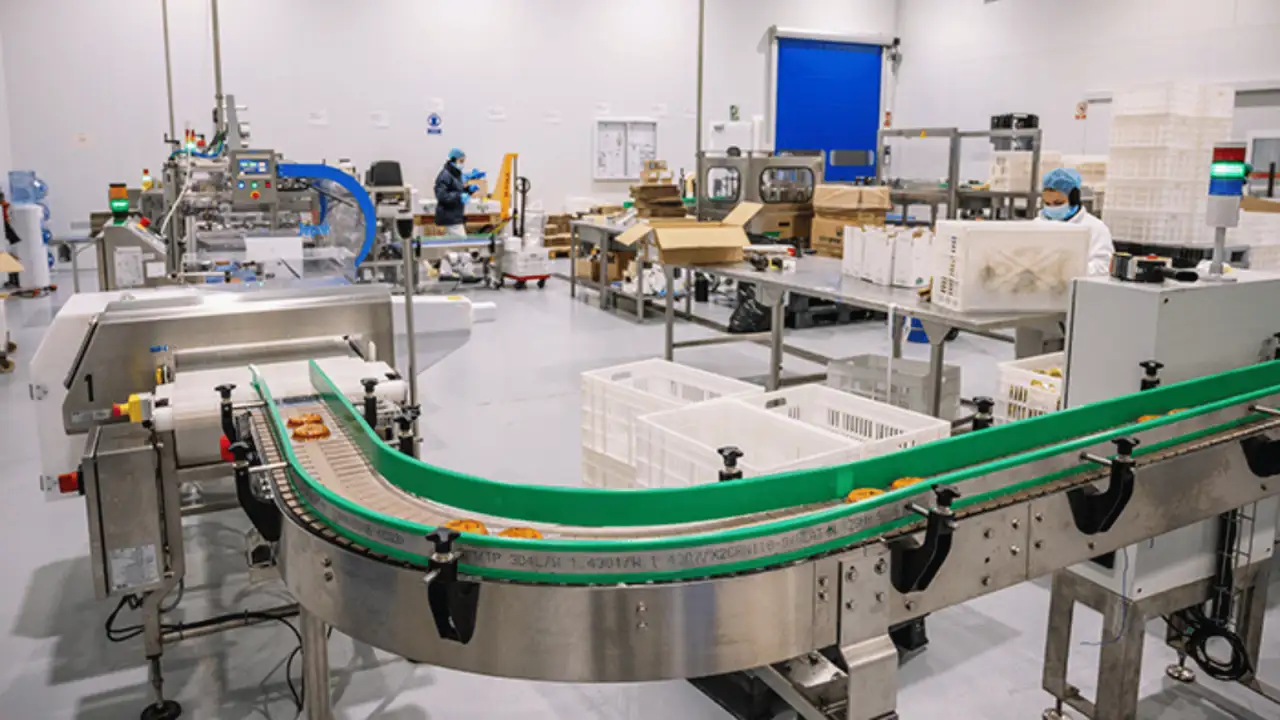
- Optimize the full system (not just the recipe): review sourcing, processing, and distribution to reduce cost without losing line stability or sensory acceptance.
- Key KPI: cost of the finished product that meets specifications: don’t focus only on €/kg ingredient price; “cheaper” can drive purge, waste, rework, variability, and shelf-life losses.
- Use texture as a cost lever: tune hydration/mixing/water retention and use fibers/hydrocolloids/starches in balance to avoid artificial textures and failures after cooking, freezing, and reheating.
Reducing costs is a constant priority in the food industry, but in the current context it has become an even greater challenge. Rising energy costs, increasing raw material prices and higher logistics costs are having a direct impact on product margins.
In this scenario, understanding how to reduce costs in plant-based products goes beyond simply reformulating recipes. It requires reviewing the entire production system, from sourcing and manufacturing to distribution, while maintaining consumer acceptance, production stability and compliance with customer specifications.
The real cost of a plant-based product is not just in the formulation
Reducing costs is not just about replacing expensive ingredients with cheaper alternatives. The real cost of a plant-based product lies in how it performs in production and in the market.
A cheaper ingredient may lead to texture issues, higher waste, shorter shelf life or the need for additional corrections, ultimately increasing the real cost of the product.
In the current context of rising energy, transport and material costs, the impact is not only linked to formulation, but also to processing. Products that require multiple stages or manufacturing lines can significantly increase cost without adding real value.
Cost per kilo of ingredient vs cost of an acceptable finished product
Focusing only on the cost per kilo of ingredients can lead to inefficient decisions.
A cheaper raw material may result in:
- Higher water loss during processing
- The need to adjust flavour, colour or texture
- Batch-to-batch variability
- Reduced stability after cooking or freezing
The result is a less stable product, increased reprocessing and lower market acceptance.
The relevant metric is not the cost of the ingredient, but the cost of a finished product that meets specifications and is accepted by the consumer.
Variables to include in industrial cost analysis
Cost analysis must take into account all variables within the production system, not just formulation.
Key factors include:
- Type and proportion of plant protein
- Texture system
- Flavouring and sensory adjustments
- Purge losses
- Product shelf life
- Packaging
- Energy consumption
- Labour
- Waste and rework
Only by integrating these variables is it possible to truly optimise costs.
Use texture as a lever for industrial cost optimisation
In plant-based products, texture is not a final detail. It is a key variable that directly affects yield, ingredient usage, water retention and consumer acceptance.
A well-designed texture also contributes to product stability and reduces batch variability.
Hydration, mixing and water retention
Poorly adjusted hydration can lead to:
- Overly soft masses
- Loss of bite
- Purging in the final product
- Variability between production batches
- Reduced yield
Optimising hydration and mixing improves ingredient utilisation and reduces losses.
Fibres, hydrocolloids and functional starches
The use of fibres, hydrocolloids and starches can help reduce costs when applied correctly.
They contribute to:
- Improved cohesion
- Increased water retention
- Structural stability
- Bite adjustment
However, excessive use may lead to:
- Artificial textures
- Sticky or pasty mouthfeel
- Lower product acceptance
The balance between functionality and sensory perception is essential.
Texture after cooking, freezing and regeneration
The product must perform under real conditions of use:
- Oven or pan cooking
- Microwave heating
- Freezing and thawing processes
- Reheating in ready meals
If texture is not stable after these processes, it may lead to yield losses, sensory changes and potential complaints.
Reformulate based on application: not all plant-based products require the same solution
There is no single formulation suitable for all products. Each application has different requirements in terms of texture, cost, processing and final performance.
Additionally, requirements vary depending on the channel and product type, directly influencing cost decisions.
Products for retail, foodservice and ready meals
Each channel presents different demands:
- Retail → visual stability, shelf life and consumer experience
- Foodservice → ease of regeneration, consistency and cost per serving
- Ready meals → processing performance, integration into recipes and thermal stability
Adapting the product to each channel helps avoid unnecessary formulation costs or over-engineering.
Target cost per serving, not just per kilo
One of the key strategies for cost optimisation is shifting the focus from €/kg to cost per sellable portion.
This allows:
- Portion size optimisation
- Better formulation decisions
- Improved profitability
- Alignment between cost and market positioning
How Sanygran can help reduce costs without compromising sensory quality
Reducing costs in plant-based products requires a comprehensive approach. It is not just about reformulation, but about understanding how ingredients, processes and final applications interact.
In many cases, one of the main cost-saving levers lies in optimising the production process, particularly in products that involve multiple processing stages or lines.
Working with an experienced partner makes it possible to analyse these aspects in a structured way, identifying opportunities such as:
- Process simplification
- Reduction of production steps
- Improved ingredient integration
- Optimisation of time and resources
Tailored reformulation according to product, channel and production line
Development is adapted to each specific application, including burgers, nuggets, bases for ready meals or fillings.
This allows adjustment of parameters such as texture, hydration, yield and stability according to the target cost and the existing production setup.
Plant-based ingredients and finished products with an industrial approach
The selection of raw materials and auxiliary materials has a direct impact on final cost.
Working with solutions designed for industrial use enables:
- Reduced variability
- Fewer production issues
- Improved product stability
- Optimised performance
All of this contributes to achieving a balanced outcome between cost, sensory quality and industrial viability.
Because in the current environment, controlling costs is not the result of a single decision, but of how the entire production system is designed and executed.
Other articles you may be interested in:
- Plant-Based Food Development
- Plant-Based Solutions Provider
- Plant-Based Burger Supplier
- Wholesale Pea Starch Supplier
- Organic Tofu Supplier
- Organic Hummus Supplier
- Plant-Based Chicken Supplier
- Plant-Based Beef Supplier
- Plant-Based Seafood Alternatives Supplier
- Vegan Tuna Supplier
- Plant-Based Meat Analogues Supplier
- Pea Protein Concentrate Supplier
- Plant-Based Chunks Supplier
- Texturised Plant-Based Meat Supplier