Types of plant-based texturised proteins
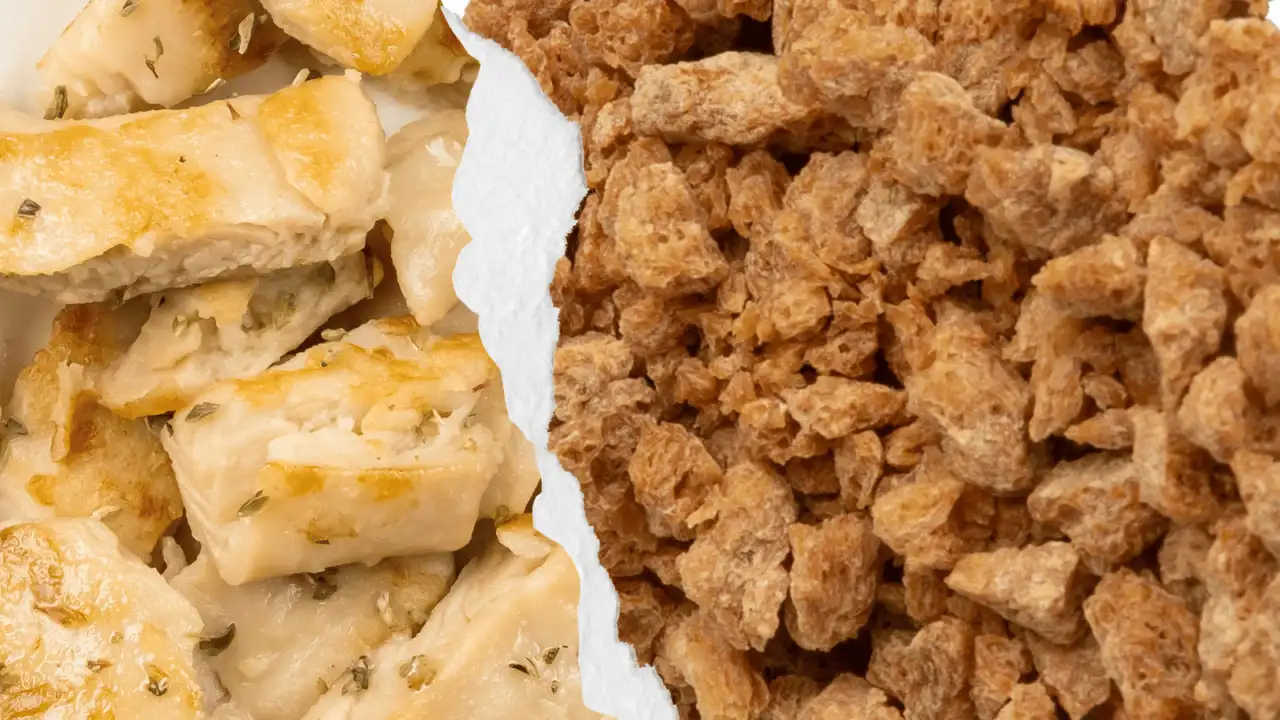
- Plant-based texturates are plant proteins processed (mainly via extrusion) to deliver structure, bite, fibrousness, and water retention in products like burgers, nuggets, or prepared meals.
- There are two key families: TVP (dry texturates), shelf-stable and formulation-flexible; and HME (high-moisture texturates), juicier and more fibrous but requiring cold storage (chilled/frozen).
- Selection depends on process, raw material, and application (soy, pea, wheat/gluten, or blends): balance sensory targets, cost, labeling, shelf life, and in-plant performance.
Types of plant-based texturised proteins are one of the most widely used solutions in the food industry for developing plant-based products with structure, texture and functionality. These texturised ingredients are designed to deliver specific sensory characteristics while improving product performance during processing.
In this article, we analyse the main types of plant-based texturised proteins, their differences in terms of process, raw materials, formats and industrial applications, as well as the key criteria to consider when selecting the most suitable solution.
What is a plant-based texturised protein?
A plant-based texturised protein is an ingredient obtained from plant proteins that have been transformed through technological processes — primarily extrusion — to create an organised structure capable of delivering fibre, bite and water retention.
Unlike plant protein powders or concentrates, texturised protein does not only provide protein content; it also provides a physical structure that enables the development of products with specific sensory profiles.
In the food industry, it is used as a functional ingredient in products such as plant-based burgers, nuggets, fillings and ready meals.
Difference between plant protein, texturised protein and finished product
Although related, these are different concepts.
Plant protein is the raw material from which the ingredient is developed. It may come from sources such as soy, pea or other plant-based ingredients.
Texturised protein is that protein transformed through processes such as extrusion to achieve a specific structure. This is the ingredient that is later incorporated into a formulation.
A finished plant-based product is the final application where the texturised protein is part of a complete formulation, such as a burger, nugget or ready meal.
For this reason, selecting the right texturised protein depends not only on the source protein, but also on the intended final application.
Main types of plant-based texturised proteins by process
Within the plant-based industry, there are two main categories: dry texturised proteins (TVP) and high-moisture texturised proteins (HME).
Each offers different advantages and they are not interchangeable. The choice depends on factors such as final application, shelf life, storage, processing conditions and desired sensory experience.
Dry texturised proteins (TVP)
Dry texturised proteins are dehydrated ingredients that are rehydrated during the final product manufacturing process.
One of their main advantages is logistical stability, as they can be stored at ambient temperature for long periods.
They are commonly used in applications where structure and water absorption are required, such as:
- Plant-based burgers
- Nuggets
- Fillings
- Bolognese-style sauces
- Ready meals
They also offer high formulation flexibility, allowing manufacturers to adjust hydration, flavour and texture according to the final recipe.
High-moisture texturised proteins (HME)
High-moisture texturised proteins are produced through wet extrusion and allow the creation of more fibrous and juicy structures.
They are particularly suitable when a more structured, visually defined product is required, with a more pronounced bite.
Due to their higher moisture content, they require specific storage conditions, typically refrigeration or freezing.
When to choose dry vs high-moisture texturised proteins
There is no one-size-fits-all solution.
Dry texturised proteins are generally preferred when:
- Longer shelf life is required
- Easy storage is important
- Flexible dosing is needed
- Integration into multiple formulations is required
High-moisture solutions are more suitable when:
- Juicier textures are desired
- Products require strong visual presence
- Higher-value chilled or frozen products are being developed
The manufacturer’s expertise is key to balancing texture, process and cost.
Types of plant-based texturised proteins by raw material
The choice of raw material directly influences flavour, colour, texture, nutritional profile, allergen considerations and processing performance.
Soy texturised protein
Soy-based texturised protein is one of the most widely used ingredients in the plant-based industry due to its versatility, availability and strong functional performance.
It is commonly used in burgers, nuggets, fillings, sauces and minced-type products.
Its hydration capacity and structure make it a reliable solution, although alternatives may be explored when developing formulations without soy or with different positioning.
Pea texturised protein
Pea-based texturised protein is gaining increasing relevance in plant-based product development.
It is particularly suitable when there is a need to diversify protein sources, reduce soy dependency or align with specific clean label strategies.
Wheat or gluten-based texturised protein
Wheat-based texturised proteins can provide an elastic and fibrous texture, which is valuable in applications where bite is critical.
However, their use must be carefully considered due to gluten-related labelling and regulatory requirements.
Protein blends and customised texturised solutions
In many industrial applications, the optimal solution does not rely on a single protein source.
Blends allow combining different raw materials to achieve the right balance between:
- Texture
- Flavour
- Functionality
- Cost
- Availability
An example is Legumeat, a solution developed by Sanygran combining soy, rice and beans to deliver a versatile and adaptable sensory and functional profile.
Types of plant-based texturised proteins by application
The most effective way to select a texturised protein is not just by its origin, but by its role within the final product.
Texturised proteins for ready meals
In ready meals, the ingredient must perform consistently throughout the product lifecycle, including cooking, freezing and reheating.
Key factors include:
- Water retention
- Sauce integration
- Batch-to-batch consistency
Texturised proteins for meat alternatives
In products such as burgers, nuggets, meatballs or restructured alternatives, the objective is to create a balanced structure.
Critical aspects include:
- Bite
- Juiciness
- Cohesion
- Process resistance
Here, texturised protein plays a key role in the overall product architecture.
Texturised proteins for toppings, fillings and foodservice
In foodservice and convenience applications, functionality and ease of use are essential.
They are widely used in pizzas, wraps, bowls, fillings and prepared recipes where consistency and ease of dosing are required.
Texturised proteins for private label and retail
Retail developments require balancing multiple factors: cost targets, shelf life, format, labelling and consumer experience.
Working with a supplier capable of adapting the ingredient to specific project requirements is therefore a key differentiator.
Sanygran: plant-based texturised proteins and customised solutions for the food industry
At Sanygran, we develop plant-based texturised proteins for food manufacturers, brands, retail and foodservice, combining ingredient expertise, technology and industrial application.
We work with both dry extrusion (TVP) and high-moisture extrusion (HME), across different raw materials, formats and applications.
Our experience as manufacturers of finished plant-based products gives us a practical understanding of how these ingredients perform in real formulations — from burgers and nuggets to ready meals.
This enables us to support each project from ingredient selection through to industrial scale-up, adjusting parameters such as:
- Texture
- Format
- Processing
- Preservation
- Final application
Because a good texturised protein must not only perform in development — it must perform consistently in production and throughout the entire value chain.
Other articles you may be interested in:
- Plant-Based Food Development
- Plant-Based Solutions Provider
- Plant-Based Burger Supplier
- Wholesale Pea Starch Supplier
- Organic Tofu Supplier
- Organic Hummus Supplier
- Plant-Based Chicken Supplier
- Plant-Based Beef Supplier
- Plant-Based Seafood Alternatives Supplier
- Vegan Tuna Supplier
- Plant-Based Meat Analogues Supplier
- Pea Protein Concentrate Supplier
- Plant-Based Chunks Supplier
- Texturised Plant-Based Meat Supplier