What is plant-based protein for?
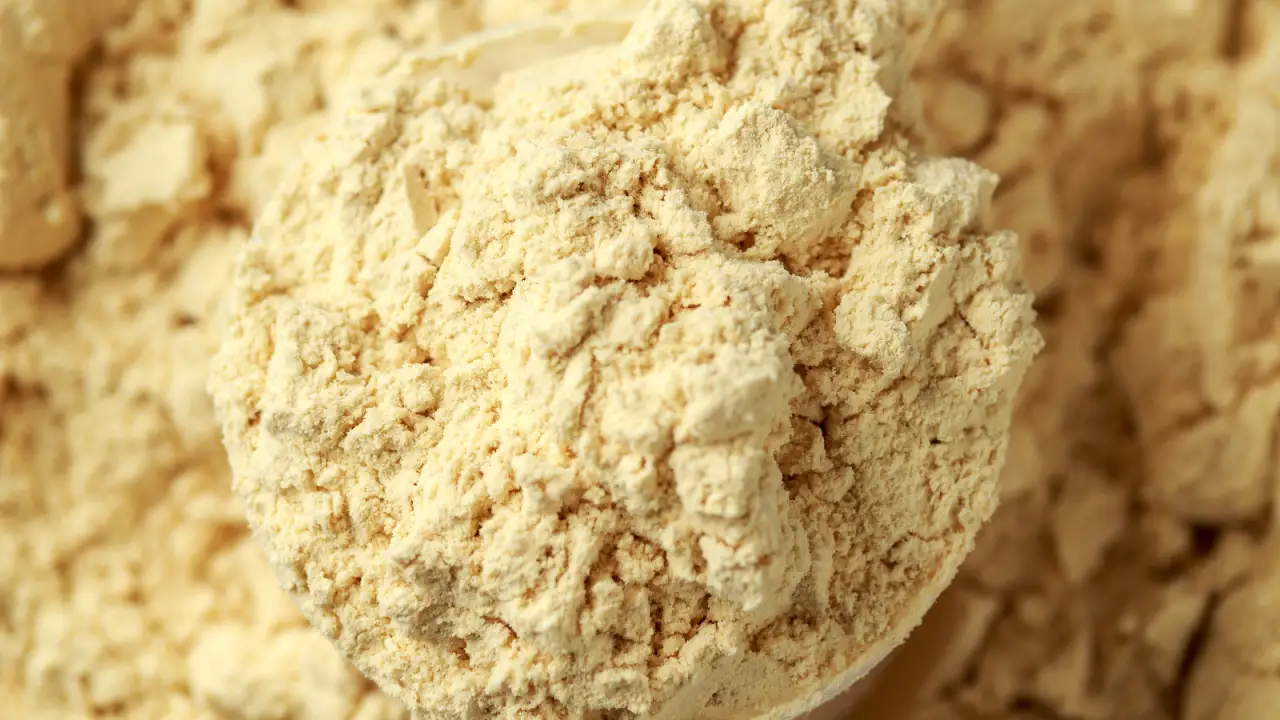
- Plant protein helps increase nutritional value and enables product reformulation (plant-based or hybrid), creating new opportunities in retail and foodservice aligned with trends and sustainability.
- From a technological standpoint, it delivers structure and texture, improves emulsification/gelling/water retention, and maintains stability after cooking, freezing, and reheating in prepared foods.
- Choosing the right source (pea, soy, blends) and supplier impacts repeatability, waste, and cost per functional kilo; prioritize application, process, sensory targets, allergens, and supply continuity.
Understanding what plant-based protein is for is essential for any company developing competitive food products today. Beyond its nutritional role, it is a functional and technological ingredient that helps build structure, texture, stability and process efficiency across a wide range of applications.
In this article, we explore its real industrial functions, its business benefits, and how to choose the right type depending on the final product.
What is plant-based protein used for in prepared food development?
Plant-based protein is primarily used to formulate products with nutritional value, technological functionality and industrial viability. It is not just an ingredient, but a product development tool.
Increasing the protein content of finished products
One of the main benefits of plant-based protein is its ability to improve the nutritional profile of recipes. It allows the development of higher-protein products in categories such as:
- ready meals
- snacks
- fillings
- complete recipe bases
This supports stronger market positioning, particularly in segments where high protein content is a key purchase driver.
Replacing animal-derived ingredients fully or partially
Another major advantage of plant-based protein is its role in reformulation. It enables the replacement of animal ingredients in:
- plant-based burgers
- nuggets
- meatballs
- lasagne and cannelloni
- Bolognese-style sauces
It also enables hybrid formulations, combining plant proteins with other ingredients to optimise cost, performance or nutritional profile.
Meeting evolving market demand
Plant-based protein supports the development of products aligned with current trends:
- plant-based and flexitarian diets
- clean label positioning
- more sustainable food solutions
This is not only about following trends, but about unlocking new commercial opportunities and responding to demand from retail and foodservice.
What is plant-based protein used for at a technological level?
Beyond nutrition, plant-based protein plays a key functional role in food formulation.
Improving texture and structure
One of its core functions is delivering:
- bite
- fibrous texture
- structure
- consistency
This is essential in products such as burgers, fillings and protein bases, where structure defines the eating experience.
Supporting emulsification, gelling and water retention
Plant-based protein acts as a functional ingredient that helps:
- bind phases together
- stabilise emulsions
- improve juiciness
- reduce cooking losses
A common industrial issue is products that release water and fall apart. Adjusting protein functionality helps stabilise the formulation and improve performance.
Ensuring stability during processing, freezing and reheating
In ready meals, plant-based protein helps maintain performance during:
- cooking
- pasteurisation
- freezing and thawing
- regeneration
This directly affects final product quality and batch-to-batch consistency.
Which plant-based protein sources work best depending on the application?
Not all plant proteins behave the same. Selecting the right source is critical to maximise the benefits of plant-based protein.
Pea protein for clean label plant-based development
Pea protein is widely used due to:
- strong clean label positioning
- good consumer acceptance
- versatile functionality
It is particularly suitable when reducing allergen complexity and simplifying ingredient lists is a priority.
Soy protein for maximum functionality and versatility
Soy remains one of the most technically robust options:
- high texturisation capacity
- strong water retention
- stable processing behaviour
It is widely used in meat analogues and complex formulations where technical performance is essential.
Legumes, rice and blends for tailored sensory and nutritional profiles
In many cases, the best solution is not a single protein but a blend.
Blends allow manufacturers to:
- balance flavour
- improve texture
- optimise amino acid profile
- manage cost efficiency
This approach is particularly effective when developing differentiated products without compromising functionality.
What is plant-based protein used for in specific product categories?
The real value of plant-based protein becomes clearer in real industrial applications.
Meat analogues and restructured products
It is widely used in:
- plant-based burgers
- nuggets
- meatballs
- minced-style fillings
Here it provides structure, juiciness and yield, all essential for retail competitiveness.
Chilled, frozen and ready-to-heat meals
In these products, plant-based protein ensures:
- recipe stability
- texture after reheating
- batch consistency
It is a key ingredient in convenience food solutions.
Snacks, protein bases and retail-ready solutions
It also enables innovation in:
- extruded snacks
- high-protein products
- private label bases
Here, plant protein adds not only functionality but also product differentiation and added value.
How plant-based protein improves industrial performance?
One of the main benefits of plant-based protein is its direct impact on manufacturing efficiency.
Standardising processes and reducing variability
A well-selected protein helps achieve:
- higher repeatability
- lower batch variation
- improved production control
This reduces production issues and improves operational efficiency.
Optimising yield, cost per formulated kilo and waste reduction
Plant-based protein affects:
- water absorption
- cooking yield
- raw material efficiency
This leads to a lower functional cost per kilo, not just ingredient price.
Supporting industrial scale-up and product development
It enables manufacturers to:
- adapt formulations to existing production lines
- accelerate product launches
- develop new ranges without starting from scratch
A key factor for companies aiming to scale efficiently.
What should companies evaluate when choosing plant-based protein?
Choosing plant-based protein is both a technical and strategic decision.
Final application and manufacturing process
It is essential to consider:
- product category
- thermal processing
- final format
- production conditions
The same protein behaves differently depending on the application.
Sensory profile, allergens and labelling strategy
Key considerations include:
- target taste and texture
- labelling requirements
- allergen presence
- positioning strategy
This helps avoid costly reformulations later.
Supply capability, technical support and custom development
Beyond the ingredient itself, manufacturers should evaluate:
- supply reliability
- technical support
- formulation flexibility
Because in industrial food production, success depends on performance at scale, not just in the lab.
SANYGRAN: plant-based protein solutions to drive food innovation
Working with plant-based protein is not just about selecting an ingredient, but ensuring it performs within your process and final product.
When integrated from the early stages with a technical approach, it helps to:
- reduce production losses
- improve manufacturing stability
- optimise overall cost efficiency
- accelerate new product development
If you are developing or reformulating a product, combining ingredient expertise, application knowledge and industrial process understanding can make the difference between a concept that works in the lab and a product that performs in production.
📞 +34 937 132 324 | ✉️ info@sanygran.com
Other articles you may be interested in:
- Plant-Based Food Development
- Plant-Based Solutions Provider
- Plant-Based Burger Supplier
- Wholesale Pea Starch Supplier
- Organic Tofu Supplier
- Organic Hummus Supplier
- Plant-Based Chicken Supplier
- Plant-Based Beef Supplier
- Plant-Based Seafood Alternatives Supplier
- Vegan Tuna Supplier
- Plant-Based Meat Analogues Supplier
- Pea Protein Concentrate Supplier
- Plant-Based Chunks Supplier
- Texturised Plant-Based Meat Supplier