Plant-based protein-rich foods for the Plant-Based industry
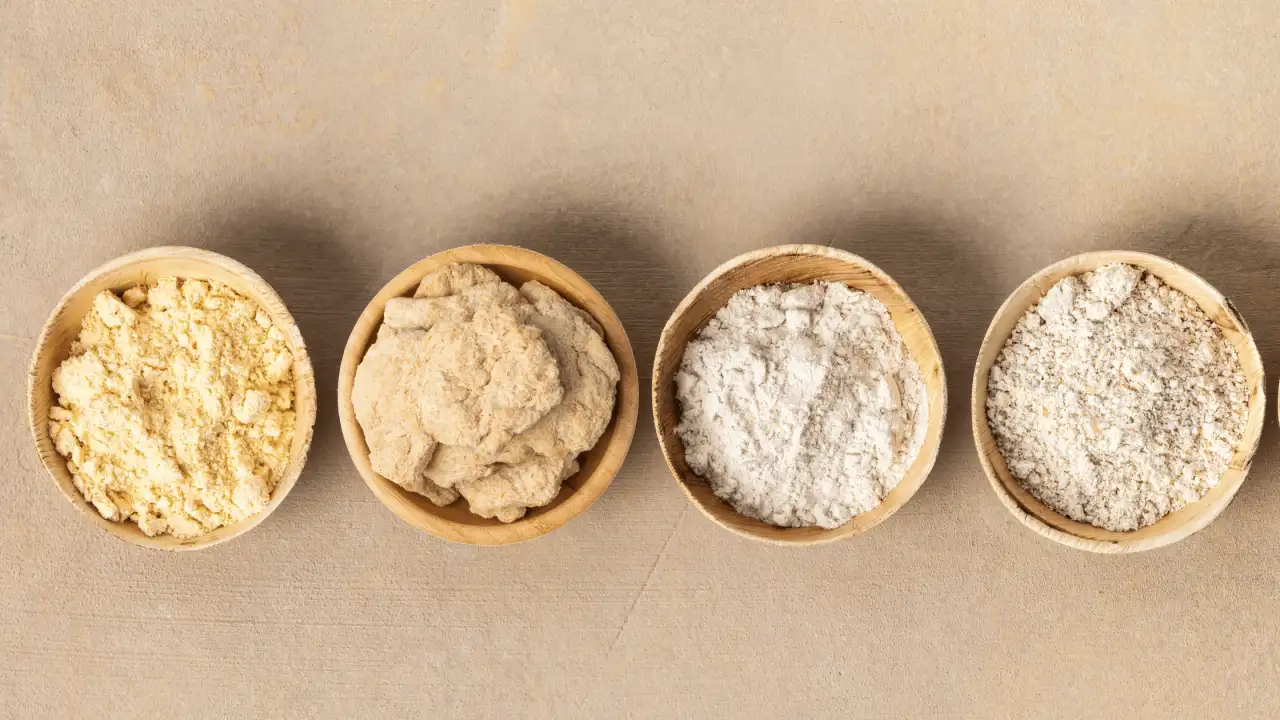
- High-protein plant foods deliver nutrition and, more importantly, industrial functionality: texture, stability, yield, and scalability for burgers, prepared meals, and meat analogs.
- In industry, they’re used by format: flours/whole-food bases (simpler labels and cost), concentrates/isolates (control and repeatability), and texturates/blends (built-in structure).
- Selection depends on application and channel: chilled/frozen needs water retention and stability; sauces/fillings require viscosity and syneresis control; retail/private label prioritizes batch consistency, cost control, and scale-up.
Plant-based protein-rich foods are now one of the fundamental pillars in the development of plant-based products within the food industry. They not only provide nutritional value, but also help build texture, stability, yield and scalability in applications such as plant-based burgers, ready meals and meat analogues.
In this article, we explore the different industrial formats, how they are used in manufacturing, and the key technical criteria to consider when selecting the most suitable solution for each end product.
Industrial formats of plant-based protein-rich foods
In the food industry, these ingredients are not treated as a single category, but as different levels of processing, each responding to specific technical, cost and application requirements.
Flours, semolina and whole-food bases
These formats are the closest to the original raw material matrix.
They are typically used when the goal is to:
- maintain a more recognisable formulation
- optimise formulation costs
- work with more traditional or less processed textures
- support simpler labelling strategies
They require more formulation work, but offer flexibility in early-stage product development.
Concentrates and isolates
Protein concentrates and isolates allow for greater functional control within industrial formulations and are essential where precision is required.
They are used when there is a need for:
- higher protein purity
- neutral flavour profile
- consistent process performance
- easier dosage and formulation control
In this context, yellow pea protein concentrate offers a strong balance between functionality, cost efficiency and product positioning, particularly in plant-based applications and clean label strategies.
Additionally, ingredients such as pea starch play a key role in water retention, texture development and product stability, complementing protein functionality within the formulation.
They are especially valuable in applications where batch-to-batch consistency and industrial yield are critical.
Textured vegetable protein and ready-to-formulate systems
Textured vegetable protein (TVP) is one of the most widely used formats in the plant-based sector due to its ability to create structure and functional performance.
In this segment, Sanygran works mainly with:
- soy-based textured proteins
- pea-based textured proteins
- blends such as Legumeat (bean + rice + soy) in formats like chunks, fine granules and “beef-style” fillets
These solutions are essential in plant-based burgers, nuggets, fillings and ready meals, where texture defines the final product experience.
Which protein source or system to choose based on the final product?
The selection of plant-based protein-rich foods depends directly on the end use, the industrial process and the market positioning of the product.
Chilled and frozen ready meals
In these applications, the priority is to ensure recipe stability throughout the product’s entire lifecycle.
Proteins must provide:
- strong water retention after cooking
- freeze-thaw stability
- consistent behaviour during reheating/regeneration
- stable integration with sauces and liquid systems
Typical applications include lasagne, cannelloni, bowls and ready-to-heat meals.
Fillings, toppings, sauces and spreads
In these formats, plant-based proteins act as functional carriers within the matrix.
Their main role is to ensure:
- stable viscosity
- uniform texture
- reduced syneresis
- consistent processing performance
They are commonly used in plant-based Bolognese sauces, fillings and ready-to-use preparations.
Retail-ready plant-based products and private label
In retail environments, these ingredients must meet strict market requirements.
Key factors include:
- batch-to-batch consistency
- cost control
- compliance with labelling requirements
- scalability of production
- consistent final product quality
Here, protein is not just a functional ingredient, but a strategic element for commercial viability.
How we integrate high-performance plant-based proteins into your value chain?
At Sanygran, plant-based protein-rich foods are approached from a complete industrial perspective: ingredient, process and final application.
Our expertise in dry and wet extrusion, combined with the development of solutions such as Legumeat, pea and soy textured proteins, as well as pea protein concentrate and pea starch, allows us to adapt ingredient functionality to each specific product.
This translates into direct benefits for manufacturers:
- tailored solutions adapted to each application
- process optimisation and reduced operational complexity
- flexibility in formats and packaging
- stable supply and consistent batch performance
- reduced time-to-market
- seamless integration into existing production lines
The goal is not just to supply plant-based protein, but to ensure that the product performs in real industrial conditions, scales efficiently and reaches the market with consistent quality.
Other articles you may be interested in:
- Plant-Based Food Development
- Plant-Based Solutions Provider
- Plant-Based Burger Supplier
- Wholesale Pea Starch Supplier
- Organic Tofu Supplier
- Organic Hummus Supplier
- Plant-Based Chicken Supplier
- Plant-Based Beef Supplier
- Plant-Based Seafood Alternatives Supplier
- Vegan Tuna Supplier
- Plant-Based Meat Analogues Supplier
- Pea Protein Concentrate Supplier
- Plant-Based Chunks Supplier
- Texturised Plant-Based Meat Supplier