Plant-Based Food Development: Innovation with Safety and Industrial Insight
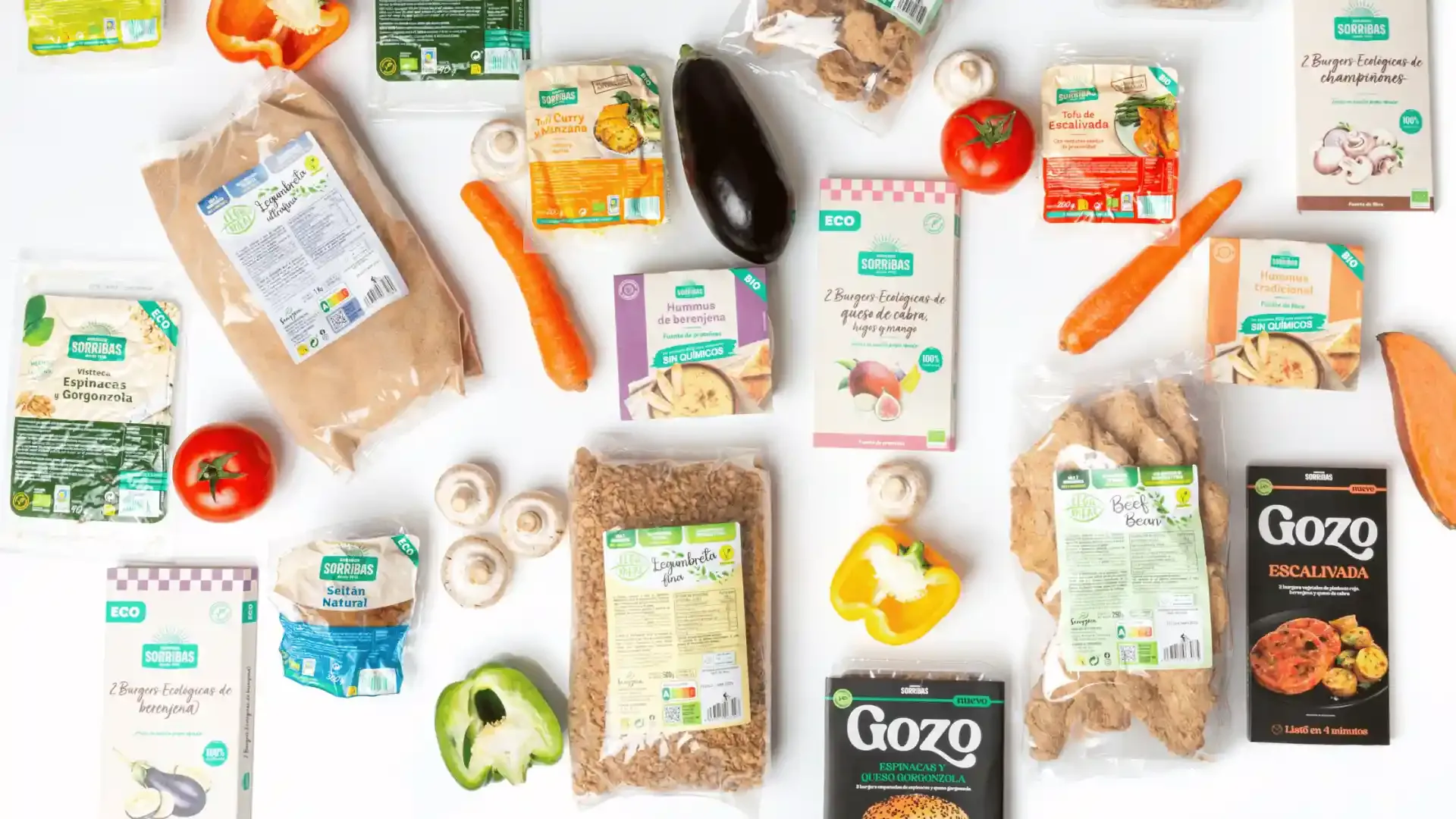
Plant-based food development has become a strategic focus for companies seeking to innovate with sustainable, high-quality products that offer functional value. This article explores how to create competitive, efficient, and safe plant-based solutions, highlighting trends, technical challenges, and strategies to optimise your formulations.
Trends Driving the Demand for Plant-Based Solutions
The plant-based market continues to grow steadily, driven by consumer demand for healthy and sustainable alternatives. According to The Green Revolution 2025, consumption of plant-based products in Spain increased by 15% in 2024, highlighting the need for reliable, scalable solutions in the industry.
Key Opportunities for Innovation in Plant-Based Foods
The categories with the highest potential include:
- Ready-to-eat meals, such as stews, bolognese, or vegetable curries.
- Meat analogues and protein bases, adaptable to various industrial applications.
- Breaded and plant-based snacks, offering versatility and functionality in production lines.
- Sauces and culinary bases enriched with plant proteins.
These opportunities allow companies to expand their product range, meet sustainability requirements, and optimise production and logistics efficiency.
Critical Technical Challenges in Industrial Plant-Based Food Development
Scaling a plant-based product industrially presents specific challenges that can affect texture, stability, and performance. Key issues include:
- Texture inconsistencies during large-scale production.
- Thermal stability issues in cooking, pasteurisation, or freezing processes.
- Costly operational adjustments due to formulations not adapting to the production line.
Sanygran supports overcoming these challenges through expertise in protein matrices, dry and wet extrusion, and tailored formulations for each application.
The Texture-Protein Equation: Achieving Consistency Without Compromising Functionality
Delivering consistent bite, juiciness, and stable cooking performance requires control over:
- Hydration rate
- Water retention
- Fibrous structure
- Protein profile and solubility
These variables ensure plant-based products maintain uniform texture and functionality.
Masking Flavours and Enhancing the Sensory Profile
A major challenge is neutralising residual legume or cereal flavours. Using high-quality plant proteins and extrusion technologies, it is possible to achieve neutral bases, allowing the creation of complex flavour profiles tailored to the product category.
Stability, Shelf Life, and Performance in Industrial Processes
Plant-based products must withstand thermal changes, freeze-thaw cycles, direct cooking, and prolonged storage without losing texture or juiciness. Sanygran’s solutions are designed to maintain cohesion and stability throughout the production cycle, minimising issues and returns.
Customised Plant-Based Solutions: Optimising Formulations and Reducing Operational Costs
For R&D teams, the challenge is not only to create a plant-based product but to ensure its industrial viability and stability.
Strategic Selection and Combination of Protein Ingredients
Balancing functionality, nutritional value, and cost depends on the choice of proteins: pea, soy, wheat, or customised blends. At Sanygran, we use high-performance, versatile ingredients such as pea protein concentrate and pea starch, obtained via dry fractionation, free from additives and suitable for clean-label products. These same ingredients are also supplied to our clients, helping their formulations maintain consistency, quality, and regulatory compliance.
Texturisation and Structuring Systems for Specific Applications
Technologies such as:
- Dry extrusion (TVP)
- Wet extrusion (HME)
- Gelation and fibrosification
Allow the creation of fibres, gels, and textures that mimic meat, fish, or dairy, optimising functionality in nuggets, breaded products, meat analogues, and protein bases.
Versatility in Plant-Based Foods: From Meat Analogues to Ready Meals
Examples of applications using Sanygran solutions:
- Vegetable bolognese and stews: Recipe
- Plant-protein fillings: Recipe
- Nuggets and breaded products
- Protein bases for toppings or sauces
- Plant-based burgers: Recipe
These plant-based solutions enable clients to diversify their offering without compromising quality or consistency.
Competitive Advantage: Investing in Customised Plant-Based Ingredients and Products
Reducing Time-to-Market with Specialised Developments
With Sanygran’s support, projects move from concept to production more efficiently, reducing technical iterations and ensuring consistency from the first pilot line.
Mitigating Technical Risks and Accessing Specialised R&D
Outsourcing part of the development with Sanygran means fewer failed trials, more stable prototypes, and formulations tailored to each client’s needs.
Regulatory Compliance and Essential Certifications for Global Markets
Sanygran ensures each product meets standards for:
- EU and US labelling
- Full traceability of raw materials
- Certifications: IFS, Eurohoja, CCPAE, V-Label
- Requirements from major retailers and importers
Sanygran: A Technical Partner to Scale Your Plant-Based Production
Plant-based food development goes beyond replacing a single ingredient. It requires technical expertise, precise formulation, and industrial capacity to scale reliably.
With Sanygran, companies gain access to:
- Proprietary ingredients
- Dry and wet extrusion capabilities
- Specialised R&D in plant matrices
- End-to-end manufacturing of plant-based products
This enables businesses to capture the real value of this growing category, developing reliable, innovative, and scalable products.
Other articles you may be interested in:
- Plant-Based Solutions Provider
- Plant-Based Burger Supplier
- Wholesale Pea Starch Supplier
- Organic Tofu Supplier
- Organic Hummus Supplier
- Plant-Based Chicken Supplier
- Plant-Based Beef Supplier
- Plant-Based Seafood Alternatives Supplier
- Vegan Tuna Supplier
- Plant-Based Meat Analogues Supplier
- Pea Protein Concentrate Supplier
- Plant-Based Chunks Supplier
- Texturised Plant-Based Meat Supplier