Textured vegetable protein supplier
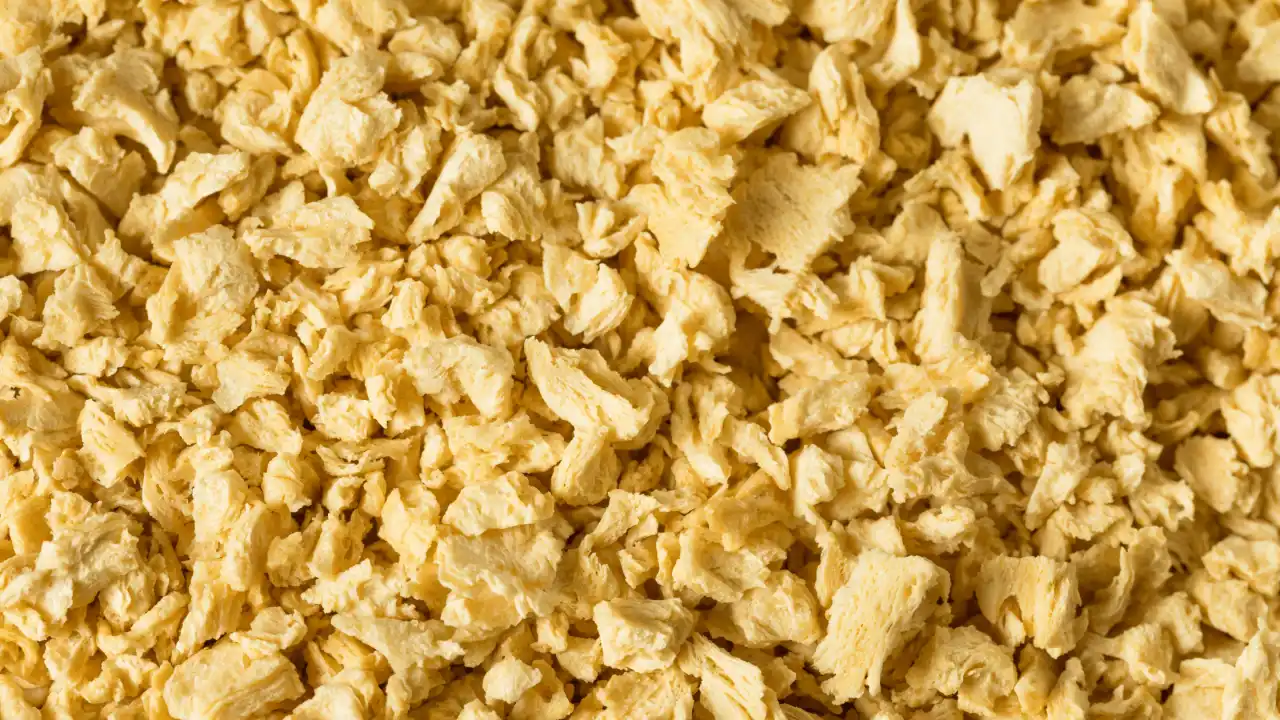
- A textured plant protein supplier is a strategic industrial partner: the choice directly impacts texture, line performance, finished-product stability, and cost per functional kilo.
- The key is not just the ingredient, but reliability: stable supply and batch-to-batch consistency, predictable hydration, fewer plant issues, and technical support for development and scale-up.
- Supplier selection must match the application: chilled/frozen ready meals require water retention and stability; meat analogs prioritize bite and sensory performance, plus recipe integration and volume-ready logistics.
A textured vegetable protein supplier is a strategic partner for the food industry aiming to develop stable, scalable plant-based products ready for retail or foodservice.
Choosing the right supplier directly affects texture, industrial performance, final product stability and cost per functional kilo, especially in categories such as plant-based burgers, ready meals and meat alternatives.
In this article, we explore what a supplier should offer, how to choose one based on your application, and which technical factors are key to making the right industrial decision.
What should a textured vegetable protein supplier offer to the food industry?
A textured vegetable protein supplier should go beyond simply providing an ingredient. The industry requires consistency, reliability and technical support throughout the entire development cycle.
The goal is not just to source protein, but to ensure it works in production, behaves consistently and integrates into existing industrial processes.
Supply capacity and batch-to-batch consistency
Consistency in texturised protein is critical in industrial production. Even small variations can directly impact the final product.
A reliable supplier should guarantee:
- consistent hydration behaviour
- uniform texture between batches
- stable production performance
- reduced line incidents
When consistency fails, the consequences are immediate: waste, recipe adjustments and quality issues.
Technical support and development assistance
The real value of a supplier becomes clear during the development phase.
Technical support helps optimise:
- hydration of the texturised protein
- final cooked texture
- integration into complex matrices (sauces, fillings, ready meals)
- industrial scale-up from pilot trials to full production
This support reduces development time and improves launch efficiency.
How to choose a textured vegetable protein supplier based on your application
Not all textured vegetable proteins are suitable for every application. The right choice depends on the final product, industrial process and sales channel.
Solutions for chilled and frozen ready meals
In these applications, the texturised protein must ensure stability throughout the product lifecycle.
Key requirements include:
- resistance to freezing and thawing
- strong water retention
- stability after cooking or regeneration
- consistent performance in sauces and fillings
Typical uses include lasagne, cannelloni, filled pasta, empanadas and prepared bowls.
Solutions for meat analogues and plant-based products
In products such as burgers, nuggets or plant-based meatballs, the objective is to replicate structure and sensory experience.
Key solutions include:
- textured soy protein
- blends such as Legumeat (bean + rice + soy protein), an innovative formulation with a complete amino acid profile
These solutions help build texture, bite and juiciness in high-value plant-based products.
Technical factors when sourcing textured vegetable protein
The decision to purchase textured vegetable protein should be based on technical criteria, not just protein origin.
Protein source, format and level of texturisation
The protein base (soy, pea or blends such as Legumeat) directly influences:
- base flavour
- final colour
- hydration capacity
- processing behaviour
The format (fine granules, chunks or “beef bean” steak-style) determines its final application.
Hydration, yield and processing behaviour
Hydration ratio is one of the most critical factors for industrial performance and cost control.
A high-quality texturised protein should:
- absorb water in a controlled way
- maintain structure after cooking or regeneration
- reduce losses during processing
- ensure batch-to-batch consistency
This directly impacts the cost per functional kilo, not just the ingredient price.
Sensory profile and recipe integration
The ingredient must integrate seamlessly into the recipe without limiting the final product.
Key attributes include:
- neutral or easily adjustable flavour
- strong absorption of marinades and sauces
- adaptable texture depending on application
- stability after cooking
Applications of textured vegetable protein in the ready meals industry
Textured vegetable protein is a key functional ingredient in the ready meals sector.
It is commonly used in:
- plant-based fillings for pasta and pastries
- Bolognese-style sauces
- ready-to-heat meals
- protein bases for bowls and complete recipes
Its main role is to provide structure, protein and industrial performance in complex formulations.
Cost optimisation and performance in plant-based formulations
Selecting the right texturised protein improves overall product efficiency.
This results in:
- higher volume per kilo of raw material
- reduced production waste
- more stable formulations
- better control of cost per portion
Collaborative innovation: co-development of finished products with Sanygran
Developing plant-based products increasingly requires collaboration between manufacturer and supplier.
The value lies not only in supplying textured vegetable protein, but in co-developing solutions tailored to each industrial application.
Experience in dry and wet extrusion allows texture, functionality and processing behaviour to be adjusted according to the final product requirements.
Logistics and scalability for large volumes
In large-scale projects, industrial capacity is key to ensuring market success.
This includes:
- stable supply at scale
- industrial packaging formats (bags, big bags)
- batch-to-batch consistency
- ability to respond to demand peaks
The goal is to ensure products reach the shelf without disruptions or quality variations.
Do you need a textured vegetable protein supplier for your next development?
If you are developing a plant-based product — whether a ready meal, a plant-based burger or a retail solution — choosing the right textured vegetable protein supplier can make the difference between a project that progresses and one that stalls in production.
If you are in the development or reformulation phase, a technical approach from the start helps you validate earlier, scale more efficiently and launch with greater confidence.
Other articles you may be interested in:
- Plant-Based Food Development
- Plant-Based Solutions Provider
- Plant-Based Burger Supplier
- Wholesale Pea Starch Supplier
- Organic Tofu Supplier
- Organic Hummus Supplier
- Plant-Based Chicken Supplier
- Plant-Based Beef Supplier
- Plant-Based Seafood Alternatives Supplier
- Vegan Tuna Supplier
- Plant-Based Meat Analogues Supplier
- Pea Protein Concentrate Supplier
- Plant-Based Chunks Supplier
- Texturised Plant-Based Meat Supplier