How to Improve Juiciness and Flavour in Plant-Based Products?
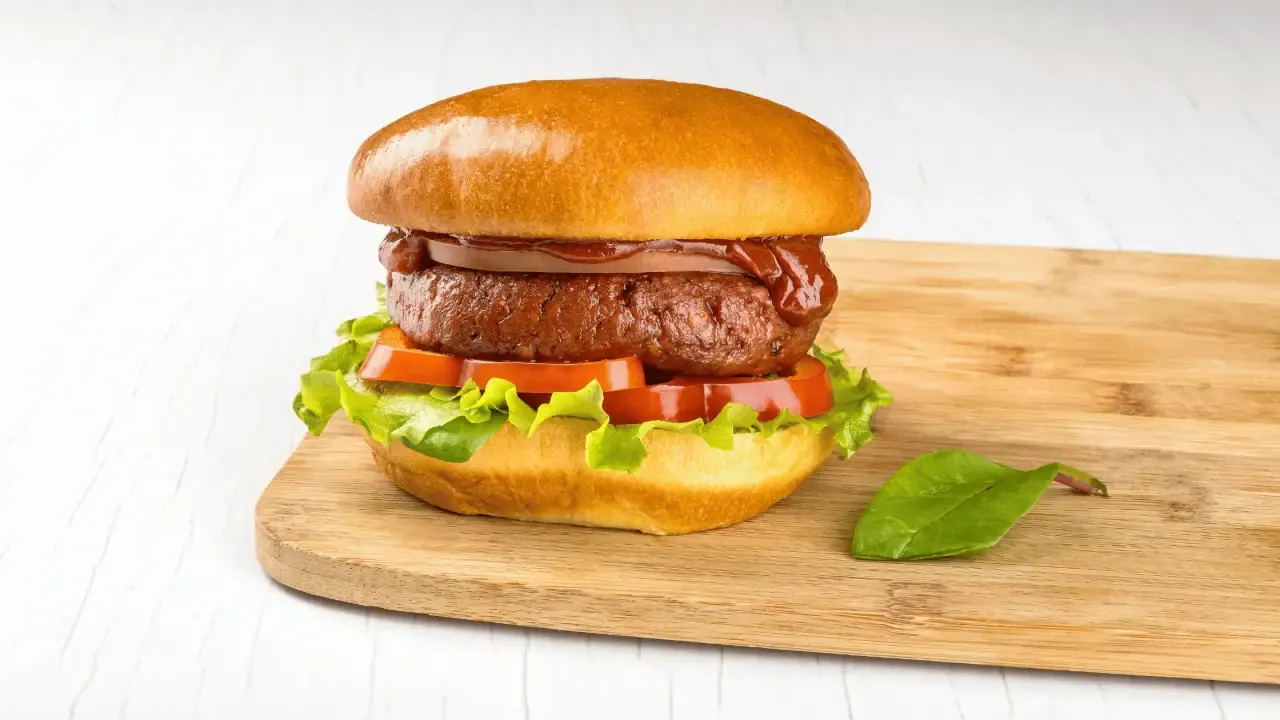
- Design a matrix that retains water and releases it gradually: combine the right plant protein, texturizers, and a stable structure to keep juiciness after cooking, freezing, and reheating.
- Select and structure plant fats based on melting behavior: improve lubrication, melt-in-mouth feel, and aroma release, avoiding waxiness or a dry impression.
- Build flavor with an integrated strategy: boost umami and complexity, manage off-flavors via protein choice and fat balance, and validate aromas under thermal processing.
Improving juiciness and flavour in plant-based products is one of the main challenges for manufacturers across Europe seeking to increase repeat purchase and strengthen their position in the fast-growing plant-based market.
Despite rapid innovation in plant-based meat alternatives and ready meals, many products still struggle with two critical aspects: dry texture and flat flavour profiles. In this article, we explore how to improve juiciness and flavour in plant-based formulations through ingredient selection and industrial processing, with a practical approach tailored to large-scale manufacturing.
The Main Juiciness and Flavour Challenges in Industrial Plant-Based Products
In industrial plant-based manufacturing, juiciness and flavour are not determined by a single ingredient, but by the overall balance of the formulation and processing parameters.
Common challenges include:
- Plant proteins that dry out after cooking
- Limited water retention in plant protein matrices
- Insufficient juice release during chewing
- Flat aromatic profiles
- Presence of vegetal off-flavours
When these issues are not addressed during formulation, the result is a product that may meet technical specifications but fails to drive repeat purchase — a key factor in market consolidation across Europe.
From our experience, juiciness in plant-based products is rarely achieved through one adjustment alone. It is the outcome of a well-designed protein matrix combined with a controlled production process.
How Juiciness Is Built in a Plant-Based Product
Juiciness in plant-based meat alternatives is not simply about adding water. It is a technical balance between:
- Water-holding capacity
- Controlled moisture release during mastication
- Fat distribution within the protein matrix
- Structural stability after thermal treatment
When these factors are properly optimised, the product delivers a moist and satisfying eating experience without compromising stability, shelf life or industrial performance.
Water Retention and Release in Plant Protein Matrices
Water retention in plant proteins plays a decisive role in perceived juiciness.
In extruded or prepared plant-based products, manufacturers often face:
- Moisture loss after freezing
- Excessive compaction of the protein structure
- Reduced water-binding capacity after cooking
Working with yellow pea protein — whether concentrate or isolate — alongside suitable texturising systems can significantly improve moisture stability and maintain juiciness after cooking, freezing or regeneration.
The Technological Role of Plant-Based Fats
Plant-based fats contribute to:
- Lubrication
- Melt-in-the-mouth behaviour
- Aroma transport and flavour release
Their melting point and thermal behaviour directly influence how the product performs in different applications, from retail burgers to foodservice solutions. An unsuitable fat system can create waxy mouthfeel or reduce flavour perception.
Therefore, structuring and distributing fat correctly within the plant protein formulation is just as important as defining the total fat content.
Functional Ingredients That Enhance Juicy Perception
Hydrocolloids, functional fibres and structured fat systems can simulate the natural release of juices expected in meat analogues.
Proprietary texturising ingredients allow manufacturers to adapt structure according to application — optimising water retention, improving texture and enhancing stability in industrial plant-based production.
Strategies to Enhance Flavour in Plant-Based Formulations
Building flavour in plant-based products goes beyond adding flavourings. It requires a comprehensive plant protein formulation strategy that considers raw materials, fat systems and processing conditions.
Building Umami and Meat-Like Flavour Profiles
Round and satisfying flavour profiles are developed by enhancing:
- Umami perception
- Aromatic complexity
- Flavour persistence
In plant-based meat alternatives and ready meals, shallow profiles reduce perceived quality. Adjusting the protein base and fat distribution helps build depth and balance without relying solely on masking agents.
Managing Off-Flavours in Plant Proteins
Bitterness and green notes are common challenges in plant protein applications.
Effective management involves:
- Selecting the appropriate protein source
- Adjusting inclusion levels
- Balancing the formulation matrix
Addressing off-flavours at formulation level — rather than only masking them — leads to more stable and authentic flavour profiles.
Natural Flavours and Extracts in Industrial Processing
Flavours and extracts must remain stable during:
- Cooking
- Pasteurisation
- Freezing
- Regeneration
Proper integration into the plant-based matrix ensures flavour impact is maintained throughout the product’s life cycle, from production to final consumption.
The Impact of the Production Process on Juiciness and Flavour
In industrial plant-based manufacturing, process conditions influence sensory performance as much as the formulation itself.
Extrusion, Mixing and Matrix Structuring
Extrusion parameters, mixing intensity and structuring decisions affect:
- Water retention
- Fat distribution
- Texture development
- Flavour release
Even minor adjustments in process parameters can significantly improve texture optimisation and flavour performance.
Thermal Treatments and Sensory Performance
Industrial cooking and pasteurisation may:
- Reduce moisture retention
- Modify aromatic profiles
- Alter structural integrity
When juiciness decreases after thermal treatment, reformulating the protein matrix and fat system is often necessary. This iterative optimisation process is essential to achieving consistent industrial results.
Developing Tailor-Made Solutions for Different Applications
Each plant-based application — whether burgers, meatballs, fillings or ready meals — requires a specific formulation strategy.
Adapting to Application and Channel Requirements
Requirements vary depending on whether the product is intended for:
- Retail
- Foodservice
- Private label
- Frozen distribution
Extended shelf life, kitchen performance, freeze-thaw stability and batch consistency must all be considered when optimising juiciness and flavour.
In product tastings conducted on selected developments, juiciness has consistently been one of the most positively rated attributes, particularly in terms of mouthfeel and chewing experience — confirming its importance in repeat purchase behaviour across European markets.
Sanygran: Co-Creating Solutions for the European Plant-Based Industry
Improving juiciness and flavour in plant-based products requires an integrated approach combining ingredient expertise and process optimisation.
At Sanygran, we support manufacturers with:
- Proprietary texturising ingredients
- Yellow pea protein (concentrate and starch)
- Finished plant-based products that already integrate juiciness and flavour optimisation
By combining formulation expertise with industrial scalability, we help reduce development times and accelerate time-to-market in the competitive European plant-based sector.
Other articles you may be interested in:
- Plant-Based Food Development
- Plant-Based Solutions Provider
- Plant-Based Burger Supplier
- Wholesale Pea Starch Supplier
- Organic Tofu Supplier
- Organic Hummus Supplier
- Plant-Based Chicken Supplier
- Plant-Based Beef Supplier
- Plant-Based Seafood Alternatives Supplier
- Vegan Tuna Supplier
- Plant-Based Meat Analogues Supplier
- Pea Protein Concentrate Supplier
- Plant-Based Chunks Supplier
- Texturised Plant-Based Meat Supplier
- Plant-Based Protein Supplier for Ready Meals