Plant-Based Proteins
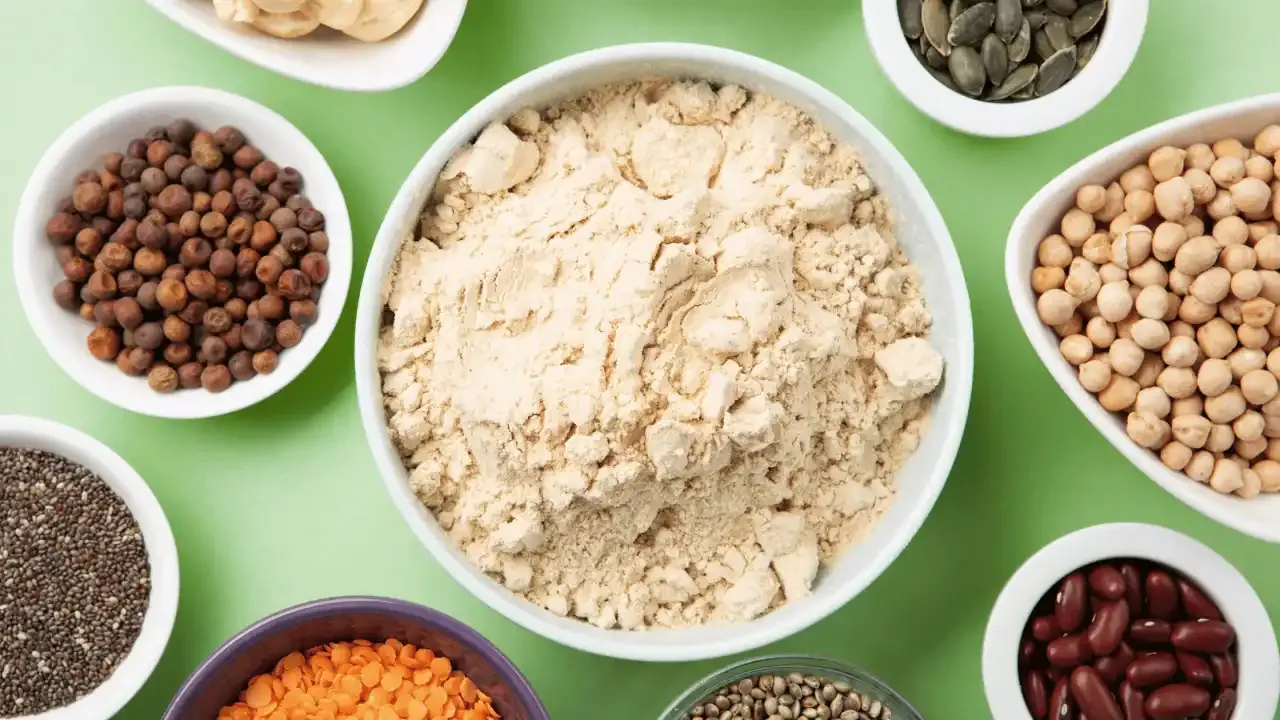
- Plant proteins are strategic ingredients: they support sustainability and nutrition, while also delivering key techno-functional benefits for texture, stability, and industrial performance.
- Not all sources behave the same: soy and wheat excel at texturization; pea and legumes fit clean-label positioning; rice, hemp, and mycoproteins help differentiate products.
- Their B2B value lies in emulsification, water binding, gelling, and extrusion-built structures; using industrially validated solutions reduces flavor and scale-up risk.
Plant-based proteins have become a strategic ingredient for food innovation and the development of new product categories. More and more manufacturers, ready-meal companies, and retail chains are incorporating plant protein into their formulations to meet the growing demand for more sustainable, nutritious, and versatile foods.
Key takeaway: plant-based proteins allow the creation of foods that are sustainable, functional, and aligned with modern consumer preferences.
Beyond consumption trends, plant-based proteins offer technological advantages for industry: they enable new textures, enhance nutritional profiles, and optimise production processes across multiple applications.
This article explains what plant proteins are, the main sources of plant protein, how they are used in the food industry, and the techno-functional properties they contribute in ready-meal and plant-based product development.
What Are Plant-Based Proteins?
Plant-based proteins are derived from raw materials such as legumes, cereals, or seeds, and are used as functional ingredients in the food industry.
When discussing what plant proteins are, we refer to proteins obtained from plant sources like legumes, cereals, and seeds.
These proteins can be processed into different functional ingredients for food manufacturing, such as:
- protein flours
- protein concentrates
- protein isolates
- texturised plant protein
The main plant protein sources used in industry include:
- soy
- pea
- wheat
- rice
- other legumes
In short: plant proteins not only provide nutritional value but also serve as essential functional ingredients in product development.
From a nutritional perspective, plant-based proteins supply essential amino acids and can be evaluated using metrics such as PDCAAS (Protein Digestibility Corrected Amino Acid Score) to measure quality and digestibility.
Strategic Value of Plant Proteins for B2B Industry
Plant protein is not just a trend; it is a strategic opportunity for food manufacturers.
The interest in plant protein in the food industry responds to both consumer demand and strategic business factors.
The growth of flexitarian diets is driving the development of plant-based foods across categories such as:
- ready meals
- meat alternatives
- protein snacks
- ready-to-eat products
In Europe, this trend is significant: according to ProVeg International, around 40% of European consumers identify as flexitarians, boosting demand for plant-based ingredients.
From an industrial perspective, plant-based proteins offer key advantages:
- more stable costs compared with some animal proteins
- lower environmental impact
- alignment with ESG and sustainability goals
- opportunities for innovation in product development
Integrating plant protein allows manufacturers and distributors to innovate with lower risk and greater market alignment.
Functional Classification of Protein Sources for Industry
Not all plant proteins behave the same during production.
Different plant protein sources have distinct properties in key areas such as:
- hydration
- emulsification
- texturisation
- process stability
Choosing the right plant protein depends largely on the final product application.
Soy and Wheat Protein: The Pillars of Texture
Technical highlight: soy and wheat proteins excel in texturisation and structuring.
Soy protein and wheat gluten are among the most widely used ingredients in plant-based product development.
Their main advantage is their excellent behaviour in extrusion processes, which enables the creation of fibrous structures that mimic meat.
These proteins are commonly used in:
- meat analogues
- plant-based nuggets
- plant-based burgers
- protein fillings for ready meals
Result: they replicate bite, juiciness, and texture in plant-based products.
Pea Protein and Legumes: The Clean Label Alternative
Trend insight: pea protein has become one of the most demanded plant proteins in Europe.
Pea protein stands out for:
- hypoallergenic profile
- good digestibility
- excellent functional behaviour in food formulations
- suitability for clean label products
Industries also use texturised pea protein or legume proteins to develop various plant-based applications.
In summary: it is ideal for clean-label products with high nutritional value.
Emerging Proteins: Rice, Hemp, and Mycoprotein
Innovation focus: new protein sources to differentiate products.
The development of new plant-based foods has driven the exploration of emerging protein sources such as:
- rice protein
- hemp protein
- mycoprotein
According to the Plant-based: State of the Industry 2023 report by Good Food Institute Europe (GFI), innovation in alternative proteins is expanding beyond soy and pea, with growing interest in sources that enhance functionality, nutritional profile, and product differentiation.
These proteins help manufacturers innovate and stand out in competitive plant-based categories.
Techno-Functional Properties in Ready Meal Formulation
The main value of plant protein in industry lies in functional properties.
For food manufacturers, plant-based proteins help optimise texture, stability, and performance during production.
Emulsification and Water Retention
Primary function: maintain product juiciness and stability.
Many plant proteins offer:
- improved juiciness
- recipe stability
- prevention of texture loss during freezing and reheating
Impact: products remain stable after freezing, prolonged refrigeration, or microwave/oven reheating.
Texturisation and Structure Formation
Core function: recreate meat-like texture in plant-based products.
Using wet or dry extrusion, fibrous structures can be developed in formats such as:
- fine granules
- bites
- strips
- flakes
In short: texturisation is key to creating competitive plant-based foods.
Gelation and Viscosity
Direct application: structuring and stabilising food matrices.
Certain plant-based proteins act as:
- thickeners
- stabilisers
- structural agents
Technical Challenges: Flavour and Industrial Scale-Up
Common issue: lab formulations may not scale easily to production.
During the development of plant-based foods, adjustments are often needed when moving to industrial scale.
Frequent challenges include:
- overly soft texture
- production line difficulties
- unexpected behaviour during processing
- flavour profile differing from expectations
Conclusion: using pre-validated industrial ingredients reduces development time and risk.
Market Trends for Retail and Food Service
Key fact: the plant-based market continues to grow across Europe.
Plant-based products are increasingly popular due to demand for sustainable, nutritionally balanced foods.
Ready meals with plant protein are seeing significant growth, combining:
- convenience
- nutritional value
- ingredient innovation
According to NielsenIQ, plant-based alternatives continue gaining shelf space in European retail, particularly in ready-to-eat and refrigerated categories.
Takeaway: opportunities abound for manufacturers and food service operators incorporating plant protein.
SANYGRAN: Tailored Plant-Based Ingredient Solutions
Value proposition: ingredient development and industrial capacity from a single partner.
SANYGRAN is a specialised partner for plant-based solutions in the food industry.
Expertise includes:
- pea protein
- soy protein
- proprietary solutions like Legumeat: soy, rice and bean
Additionally, Sanygran has extensive industrial capabilities, including wet and dry extrusion, mixers, forming machines, cooling, enrobing, and packaging systems, allowing the development of both functional plant-based ingredients and ready-to-use solutions for integration into final products.
Final takeaway: partnering with a specialised provider accelerates development, reduces technical risks, and delivers competitive plant-based products to market.
Other articles you may be interested in:
- Plant-Based Food Development
- Plant-Based Solutions Provider
- Plant-Based Burger Supplier
- Wholesale Pea Starch Supplier
- Organic Tofu Supplier
- Organic Hummus Supplier
- Plant-Based Chicken Supplier
- Plant-Based Beef Supplier
- Plant-Based Seafood Alternatives Supplier
- Vegan Tuna Supplier
- Plant-Based Meat Analogues Supplier
- Pea Protein Concentrate Supplier
- Plant-Based Chunks Supplier
- Texturised Plant-Based Meat Supplier
- Plant-Based Protein Supplier for Ready Meals