Mistakes When Formulating Plant-Based Products
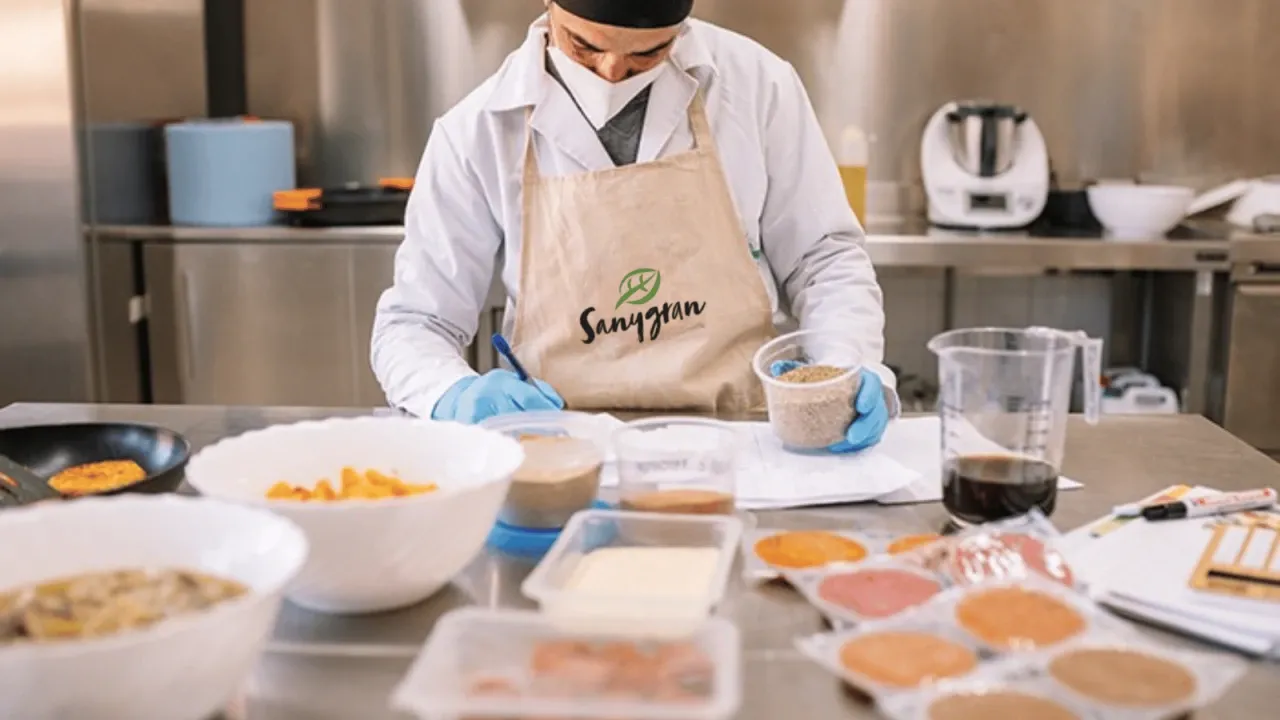
- In plant-based, the biggest mistake is missing sensory expectations: poor protein/texturizer choices and off-flavours ruin texture, juiciness, taste, and repeat purchases.
- Nutrition and “endless” recipes also fail: swaps without protein equivalence and long ingredient lists complicate labeling, sales, and perceived quality.
- Safety, shelf life, regulation, and scale-up are key: control pH/aw/heat steps, allergens, and claims; when scaling, process tuning ensures batch-to-batch consistency.
Formulating plant-based products may seem straightforward. However, even small decisions regarding ingredients, processing parameters or recipe design can significantly impact texture, flavour and final consumer acceptance.
In this article, we explore the most common mistakes when formulating plant-based products and how to avoid them through proper recipe optimisation, process control and the right choice of functional ingredients.
Misalignment Between Sensory Expectations and the Final Product
One of the most critical issues in industrial plant-based products is failing to meet consumer expectations in terms of flavour, texture and overall eating experience. When this happens, repeat purchase drops and perceived product value decreases.
Inadequate Use of Proteins and Texturising Systems
Selecting plant proteins or texturisers without considering the final application often leads to dry, rubbery or unstable products.
In applications such as plant-based burgers and meat alternatives, adjusting protein combinations and functional systems is essential to guarantee homogeneous structure, juiciness and a defined bite throughout shelf life.
Proper plant-based formulation requires understanding how ingredients behave during mixing, forming, cooking and freezing at industrial scale.
Off-Flavours and Poorly Balanced Taste Profiles
Residual bitter, earthy or strong vegetal notes are common in plant-based products when flavour systems are not properly balanced during development.
At Sanygran, we conduct sensory trials and iterative formulation adjustments to minimise off-flavours and achieve well-rounded flavour profiles, even after thermal processing or freezing.
Nutritional Imbalance in Plant-Based Formulation
An unbalanced nutritional profile directly affects the perceived value of plant-based products, both for professional buyers and end consumers.
Protein Replacement Without Functional or Nutritional Equivalence
Replacing animal protein with plant protein without ensuring competitive protein content or functional equivalence can negatively impact market acceptance.
For food manufacturers developing meat alternatives, it is essential to maintain not only nutritional benchmarks but also structure, water retention and texture performance.
Overly Long Ingredient Lists
Overcomplicated recipes can create labelling challenges, commercial friction with retailers and negative quality perception.
Applying functional simplification principles allows manufacturers to maintain performance while avoiding unnecessary ingredients — a key factor in the European market.
Food Safety and Product Stability Failures
Controlling key parameters such as water activity, pH and thermal treatments is vital to ensure shelf life, microbiological safety and batch consistency in plant-based products.
Allergen Risks and Cross-Contamination
An incorrect combination of ingredients or improper process settings can reduce shelf life, affect texture, or cause loss of juiciness and colour. Early adjustments to moisture, protein levels and thermal treatments help maintain stability and minimise product returns.
Shelf-Life Issues Caused by Poor Formulation or Process Adjustment
Inadequate control of moisture, cooking or freezing processes can result in texture degradation, product returns and food waste.
We adjust industrial processes and equipment parameters to ensure that each batch maintains juiciness, bite and structural consistency throughout its intended shelf life.
Lack of Understanding of the Regulatory Framework for Plant-Based Products
Ignoring European regulations can delay product launches or require reformulations. Reviewing product names, nutritional claims and mandatory labelling from the start prevents blocks and protects your investment.
Incorrect Use of Product Names and Claims
Using inaccurate names or claims can have legal and commercial consequences. Ensuring alignment between formulation, nutritional profile and marketing communication guarantees products that are safe, compliant and market-ready.
Product Development Without a Clear Market Vision
Developing plant-based products without a clear understanding of the target market, sales channel or B2B client requirements often results in technically correct but commercially weak products.
Misalignment Between R&D, Marketing and the End Consumer
A disconnect between technical development and commercial expectations reduces competitiveness.
At Sanygran, we work closely with development teams and clients to ensure that plant-based formulations perform in real industrial and commercial environments, not just under laboratory conditions.
Industrial Scalability Challenges
Transferring a recipe from pilot scale to full industrial production can lead to texture loss, batch variability or unexpected cost increases.
We optimise processes and machinery settings to guarantee that the final product maintains juiciness, bite and consistency at scale.
How Sanygran Optimises Plant-Based Formulation for the Prepared Food Industry
Working with an experienced technological partner helps transform product concepts into scalable and consistent industrial solutions.
Sanygran supports European food manufacturers by:
- Adjusting plant-based recipes according to product type and post-processing requirements.
- Ensuring industrial batch control and consistent product quality.
- Optimising texture, flavour and stability across different plant-based applications.
With this approach, manufacturers reduce scale-up risks, improve product performance and accelerate time to market in the growing European plant-based sector.
Other articles you may be interested in:
- Plant-Based Food Development
- Plant-Based Solutions Provider
- Plant-Based Burger Supplier
- Wholesale Pea Starch Supplier
- Organic Tofu Supplier
- Organic Hummus Supplier
- Plant-Based Chicken Supplier
- Plant-Based Beef Supplier
- Plant-Based Seafood Alternatives Supplier
- Vegan Tuna Supplier
- Plant-Based Meat Analogues Supplier
- Pea Protein Concentrate Supplier
- Plant-Based Chunks Supplier
- Texturised Plant-Based Meat Supplier
- Plant-Based Protein Supplier for Ready Meals