How to Improve Texture and Bite in Plant-Based Products
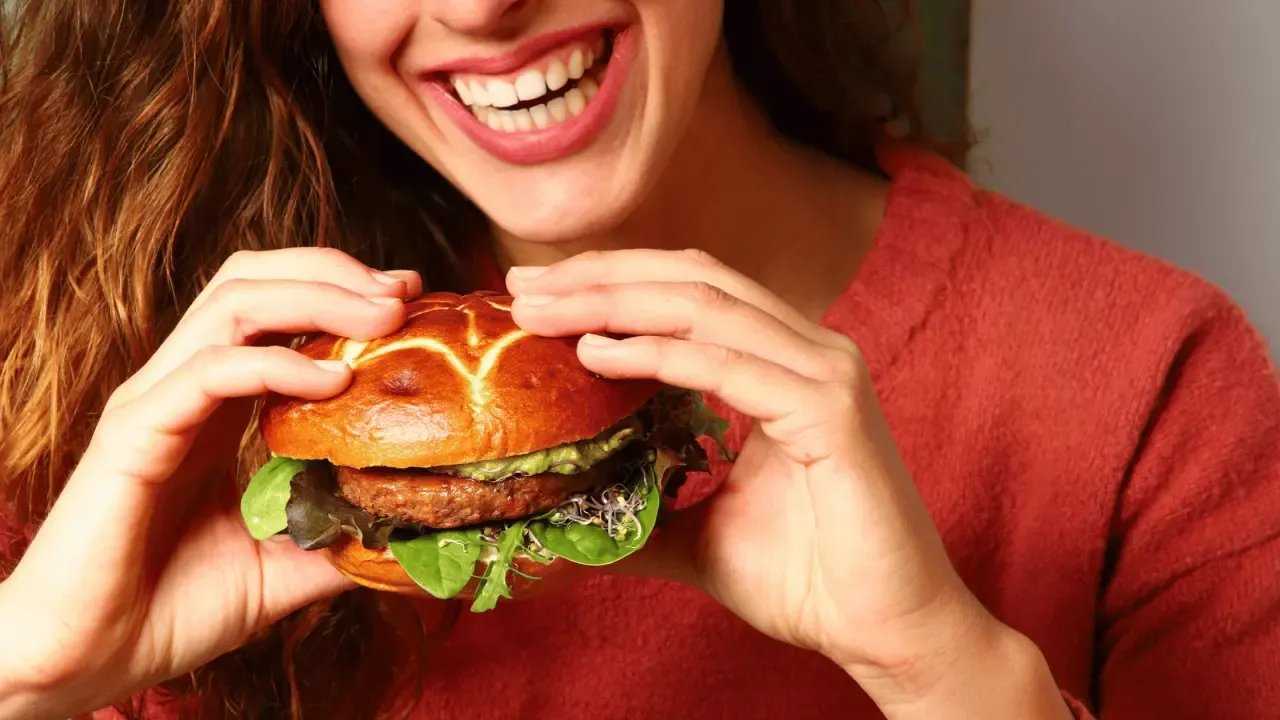
- Optimize the formulation by combining plant proteins, hydrocolloids, and fibers to achieve cohesion, water retention, and a defined bite, even after cooking and freezing.
- Control the industrial process (hydration, mixing, forming, and equipment parameters) to prevent soft masses, water separation, and texture variability between batches.
- Design for the final use: adjust structure and juiciness by format (burger or bite-sized pieces), and validate stability after pasteurization, freezing, and reheating.
Improving texture and bite in plant-based products is essential to make a product appealing, stable, and consistent in industrial production. This article explains how to enhance texture and bite in plant-based products through formulation design, process control, and the use of functional ingredients that deliver juiciness, structure, and an optimized mouthfeel.
Sensory and Technical Challenges in Plant-Based Product Texture
Plant-based products, especially meat analogues such as burgers or vegetable chunks, face technical and sensory challenges:
- Lack of bite or overly soft texture.
- Loss of cohesion in high-moisture formulations.
- Texture changes after pasteurisation, freezing, or regeneration.
These issues not only affect consumer acceptance but can also compromise industrial feasibility if not anticipated and corrected.
The Key Role of Texture and Bite in the Commercial Success of Plant-Based Products
According to data collected by specialised European food media (Food Navigator), almost 1 in 2 consumers would eat plant-based products more frequently if texture and flavour matched that of animal products.
Texture shapes how consumers perceive a product and therefore their likelihood to repurchase. Adjustments in formulation and industrial processing help maintain a defined bite, juiciness, and uniform mouthfeel.
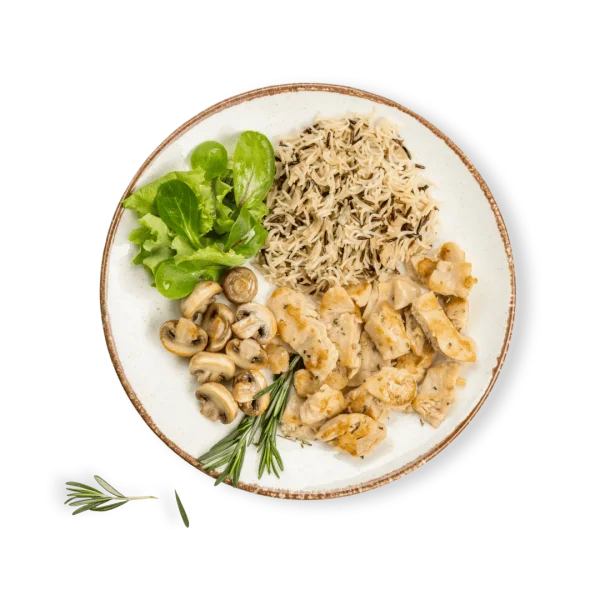
Functional Ingredients to Enhance Texture and Bite in Plant-Based Formulations
Achieving the desired texture relies on combining functional ingredients that provide structure, cohesion, and stability.
Plant Proteins and Protein Systems
Choosing the right plant proteins and their proportion in the recipe affects firmness, elasticity, and the ability to retain water during cooking and freezing. Correct combinations ensure consistent products with defined bite and stable performance in industrial processes.
Hydrocolloids and Texturising Agents
For products with multiple ingredients, like plant-based burgers, maintaining a homogeneous and stable mass is crucial.
Hydrocolloids such as methylcellulose, commonly used in food formulations, combined with pea protein texturates or other protein sources, enhance water absorption and create firm, consistent structures. This ensures an appealing bite, juiciness retention, and stability, helping the final product meet both sensory and processing expectations.
Fibres, Salts, and Other Texture Modulators
Functional fibres, mineral salts, and other modulators help fine-tune texture and mouthfeel, providing uniform bite and juiciness, especially in cooked, frozen, or regenerated products.
Formulation Strategies for Industrial Plant-Based Products
Designing recipes for industrial production requires balancing texture, performance, cost, and processing ease.
Optimising Recipes for Large-Scale Production
Starting with a solid recipe is essential. Adjusting ingredients, hydration, and water balance prevents loss of consistency, excess liquid, or soft textures during wet extrusion (plant-based chunks) or burger forming, always paired with precise machinery control to make necessary adjustments during processing.
Consistent Texture Across Applications and Formats
Adapting the formulation to the product type ensures that bite remains consistent, even after thermal treatments or freezing and regeneration processes.
Innovation in Plant-Based Texture: Trends and Opportunities
New Solutions to Improve Bite and Structure
Exploring ingredient combinations and innovative processes can create fibrous, juicy, and stable textures, enhancing perceived quality in high-value products.
Industrial Applications with High Demand for Texture Improvement
Structured products such as plant-based burgers or chunks require particular focus on texture. Optimising bite and juiciness is a key opportunity to differentiate products and ensure smooth integration into industrial processes.
Sanygran as a Strategic Partner for Developing Plant-Based Products with Optimised Texture
Partnering with a technology and process expert allows companies to transform ideas or initial recipes into scalable and consistent products. Sanygran supports brands and manufacturers throughout the full cycle:
- Adjusting recipes and textures according to the product and subsequent treatments.
- Industrial control of each batch, ensuring expected texture and bite.
- Integrating functional ingredients and extrusion, mixing, forming, and cooking processes adapted to the product.
This approach enables manufacturers to achieve juicy texture, defined bite, and industrial stability, reducing scaling risks and accelerating time to market.
Other articles you may be interested in:
- Plant-Based Food Development
- Plant-Based Solutions Provider
- Plant-Based Burger Supplier
- Wholesale Pea Starch Supplier
- Organic Tofu Supplier
- Organic Hummus Supplier
- Plant-Based Chicken Supplier
- Plant-Based Beef Supplier
- Plant-Based Seafood Alternatives Supplier
- Vegan Tuna Supplier
- Plant-Based Meat Analogues Supplier
- Pea Protein Concentrate Supplier
- Plant-Based Chunks Supplier
- Texturised Plant-Based Meat Supplier
- Plant-Based Protein Supplier for Ready Meals